About
“I've watched too many of my teammates retire with nothing, no job, no prospects, no idea what to do next. I knew exactly what athletes needed.”
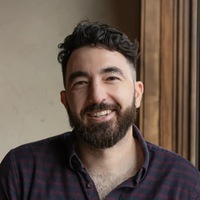
Jeremy Wolf
Founder, Open Athletes
Timeline
How we got here.
- 2012
Chaparral High School (Scottsdale, AZ)
Won two (2) Arizona Division I state championship with the Firebirds (2011, 2012)
- 2016
NCAA Division III National Champion · Trinity University
Hit .408/.508/.741 senior year. Led the NCAA in doubles (28). All-American First Team. Won the D3 College World Series. Graduated with a B.A. in Communications.
- 2016
Drafted by the New York Mets
31st round, June 2016. $5,000 signing bonus. Reported to the Kingsport Mets earning less than $800 per month.
- 2017
Brooklyn Cyclones, then released
Only had 83 at-bats in Class A before back surgery ended my career. Released by the Mets organization in October.
- 2018
Became an Olympic Athlete
Joined a national baseball team. The reset that became a second chapter.
- 2018
Founded More Than Baseball
A nonprofit to support minor-league players living below the poverty line: equipment, housing, food, financial advice. Built the foundation of what became the largest union in professional sports.
- 2019
Qualified for the Tokyo Olympics
Played through the European Championships and the Africa/Europe Olympic Qualification Tournament in Italy. The team won the tournament and earned an Olympic baseball berth. Moved abroad to coach and train.
- 2021
Co-founded MindReady
A sport psychology coaching and education platform for athletes, bringing mental performance training systematically to the athletes who need it most.
- 2022
More Than Baseball → MiLBPA
The advocacy network grew into the Minor League Baseball Players Association, today the largest union in pro sports.
- 2026
Open Athletes
Economic empowerment through community, mentorship, and entrepreneurship: one brand serving athletes during their careers, building businesses during/after, and shaping the conversation around both.
The story
The system isn’t designed for the athlete. It’s designed around them.
I grew up in Arizona playing baseball. It was the only thing I knew how to do, and by the time I got to Trinity University I was good enough to lead the country in doubles, hit over .400 as a senior, and walk off the field as a Division III national champion (Go Tigers!). Two weeks later the Mets called my name in the 31st round of the draft. The signing bonus was $5,000, and getting my equipment for pro ball cost most of it.
That summer I made less than $800 a month. We shared hotel rooms, slept on floors, and ate what we could afford. The official line is that minor league baseball is a meritocracy, play well, you move up. The actual line is that you can be one of the best athletes in the country in May and out of a job by October. My back gave out in 2017, and they released me a few weeks after the season ended.
Nobody tells you what to do next. You walk out of a clubhouse where you’ve spent every waking hour for a decade and you don’t know what you are anymore. I had a degree in Communications and a story most people didn’t want to hear. My teammates were the same, smart, disciplined, broke, invisible. Half of them were back home in a month, working entry-level jobs, wondering what happened and what to do next.
I needed a reset, so I joined a national team and became an Olympic athlete. We played in Bulgaria, then Lithuania, Germany, and Italy, and qualified for the Tokyo Olympics. I moved abroad to coach and train. For the first time since I was eighteen I had time to think.
What I kept coming back to was “the system.” The reason my teammates were struggling wasn’t character, it was structure. Minor leaguers had no advocacy, no organized voice, no infrastructure. So I started one. More Than Baseball was a Twitter account and a link to donate, cleats for guys who couldn’t afford them, food for guys who couldn’t afford that either. Within a few years it had become the foundation of the Minor League Baseball Players Association, today the largest union in professional sports.
But the pattern didn’t end at the minor leagues. College athletes were getting NIL deals with no representation and scores of people taking advantage of them. Olympic athletes were going broke between cycles. Retired pros were losing their identity, their money, and their network all at once, and the only people getting rich off any of it were the agencies and platforms built around the athlete, not for the athlete.
Open Athletes is my attempt to fix the whole thing. A daily live show to set our terms of the conversation and build the community we’ve needed for decades. A network to build the next generation of athlete-founders through collective action and mentorship, and Athletes Fund to back them when they raise. An agency to take care of the players still in the game and prepare them for what’s next.
I’m doing it because I watched too many teammates retire with nothing and no idea what to do next. I knew exactly what they needed, I lived it myself. This is what it looks like when you build it, and we’re gonna do it together.
Why this matters
Six fronts. One reason.
Every part of Open Athletes exists for the same reason: the system wasn’t built for athletes. So we’re building one that is.
Read more
The Network
For athletes ready to build after the game.
Read more
Partners
For the brands that want to reach athletes the right way.
Read more
Agency
For athletes still in the game who need support now.
Read more
Events
Where athlete-founders learn from each other in person.
Read more
Mentors
Operators and investors guiding the next generation.
Read more
The Show
To get the conversation out of the locker room.